Tuesday, December 29, 2015
Bolivia Recipes
Espuma de Mango - Mango Mousse
Return from Espuma de Mango to Bolivian Desserts Bolivia for Kids
Custom Search
• Twitter for business
• Water Cooler
• Homes
• Lemon
Espuma de mango literally means mango foam, but this dessert is actually mango mousse. You'll need the following ingredients:
Ingredients: (Serves 8)
1 can of condensed milk
5 eggs yolks
1 tablespoon of lemon juice
2 cups of mango pulp
3 envelopes of unflavored gelatin
5 eggs whites
2 ounces of rum*
1 teaspoon of vanilla**
What's special about mango mousse is that it isn't filling or overly sweet like some other mousses. Mango is surprisingly refreshing and thisdessert is really nice after seafood.
Alternatives
* You can substitute with rum extract or essence.
** I like to use clear (transparent) vanilla when possible so as to not darken the mousse. I also sometimes substitute with vanilla paste instead of liquid extract (in which case the mousse will darken). The vanilla we use here in Bolivia is primarily organic.
Preparation:
In a blender, blend the condensed milk and add the egg yolks one by one, then add the lemon juice and mango pulp. Blend well.
On low heat, cook the unflavored gelatin with a little water, stirring until it is completely dissolved and add to the blended mixture. Blend again.
Beat the egg whites with the vanilla and rum until stiff and gently fold them into the blended mixture until completely incorporated.
Put the mixture into a lightly greased mold and refrigerate three hours prior to serving. Serve in a dessert bowl or plate ringed or topped by mango slices.
Silpancho – The Best Bolivian Silpancho Recipe!
Silpancho
Every Friday after sunset, a house on my block would bring a bare lightbuld to hang outside of their door and a sign that saidsilpancho made out of a flattened lard can. When I was very little in Cochabamba, my street was a dead end and this silpancho light was the only illumination on the street. My mom would send us out with a plate to buy a silpancho from the lady selling them and we’d take it home to share among the five of us. People would sell silpancho in this way to earn a little extra money and it was so delicious.
I moved to Maine in 2009 and the first thing that I missed was Bolivian food. The first Bolivian recipe that I made for my in-laws was Silpancho and they loved it. So now, silpancho is the favorite dish of both of my families from Maine and Bolivia.
serves 4
cooking time: 1 hr
1 c. white rice
3 yukon gold potatoes
1 small green pepper, med. diced
1/2 small red onion, med. diced
1 tomato, medium diced
2 tsp vinegar
2 tsp vegetable oil
1 lb. ground beef (with the least fat content possible, ideally 90% or more lean, buffalo meat is also delicious)
salt
pepper
3/4 c. breadcrumbs
handful of Quillquiña leaves (or cilantro)
canola oil
First, get 1 cup of rice with 2 cups of water heating on the stove. Also put 3 whole potatoes on to boil for about 10 minutes. Once cool enough to touch, you’ll slice them like this (notice the insides are still raw). You’re going to finish cooking them in a frying pan.
Massage salt and pepper into the ground beef with your hands. Then you divide the ground beef into balls the size of limes. Sprinkle ground pepper onto a of a pile of breadcrumbs and then roll the beef in the bread crumbs to give it a light coating.
Coat each side the meat with breadcrumbs and roll flat with a rolling pin on top of the breadcrumbs, flipping the meat over whenever it starts to stick.
The final thickness should be like a crepe. Roll each meatball out into a sheet and stack the rolled meat sheets on a plate. Pan sear each on medium high, flipping them when you could see raw pink start to turn brown.
Stack each finished meat sheet on a plate, and then fry eggs individually and brown the potato rounds.
Top the dish with the salad of tomato, red onion, and green pepper. Bright, fresh, and crunchy, it breaks up the richness of the meat, eggs and potatoes. The dressing is equal parts vinegar and oil, plus generous salt.
To put the plate together, put potatoes at the bottom, then rice, the beef, egg and then the salad.
Prepare a nice llajwa (spicy sauce) to go with it!
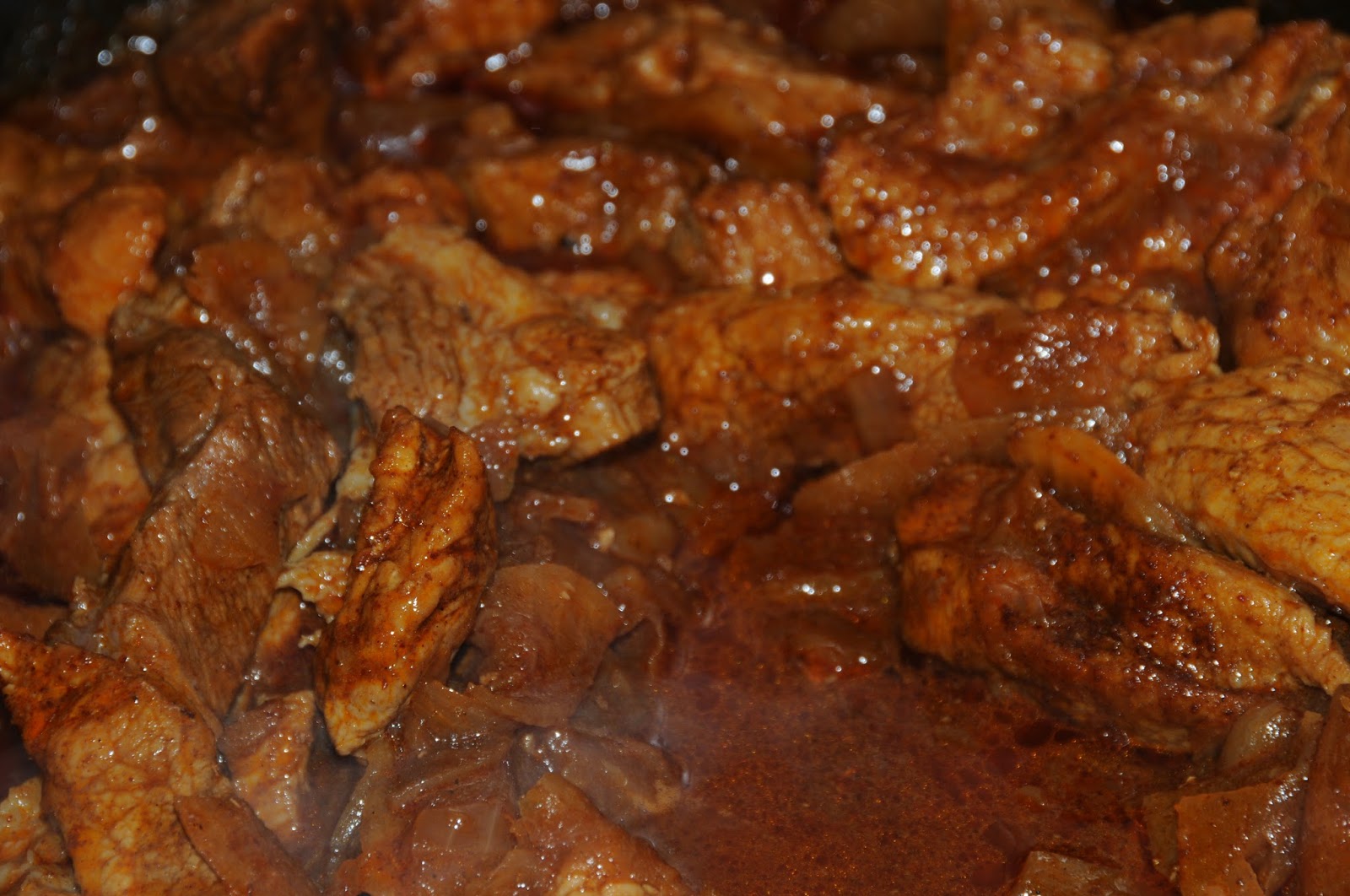
Fritanga (Spicy Pork and Egg Stew)
Country: Bolivia
Course: Main
Makes: 4 servings
Warning! As written this recipe is EXTREMELY HOT. You can cut back considerably on the cayenne pepper according to your tolerance for heat
Ingredients:
2.2 pounds pork rib meat
2 cups cold water
2 cups white onion, thinly sliced
1 1/2 cup tomato, peeled and thinly sliced
1 tbsp mint, finely minced
1/2 cup parsley, finely minced
1 tsp fresh oregano, chopped
4 cloves garlic, minced
1 1/2 tsp ground cumin
1 tsp ground black pepper
1/2 cup ground cayenne pepper
Salt to taste
4 cups water or broth
1 cup green onion, thinly sliced
4 eggs, beaten
Directions:
Cut the pork meat up into bite sized pieces and put it in a pot with the cold water. Heat to a boil and keep boiling until all the water is gone.
Remove the meat out of the pot and set it aside. Add the onions and a dash of salt and fry until translucent.
Add the tomato, herbs and all the spices except for the cayenne pepper. Cook for two or three minutes until the tomato softens up a little.
Add the cayenne pepper and fry for another minute or two.
Add the water or broth followed by the pork. Bring to a boil, then reduce heat and simmer for two hours, adding more stock as necessary to keep the amount of liquid in the pot at more or less the same level.
Five minutes before you are ready to serve, remove the pot from the heat and stir in the green onions. Add the beaten eggs, stirring quickly to keep them from scrambling.
- See more at: http://travelbystove.palfreymedia.com/bolivia-recipes-fritanga-spicy-pork-and-egg-stew.asp#sthash.BluoAoyj.dpuf
Return from Espuma de Mango to Bolivian Desserts Bolivia for Kids
Custom Search
• Twitter for business
• Water Cooler
• Homes
• Lemon
Espuma de mango literally means mango foam, but this dessert is actually mango mousse. You'll need the following ingredients:
Ingredients: (Serves 8)
1 can of condensed milk
5 eggs yolks
1 tablespoon of lemon juice
2 cups of mango pulp
3 envelopes of unflavored gelatin
5 eggs whites
2 ounces of rum*
1 teaspoon of vanilla**
What's special about mango mousse is that it isn't filling or overly sweet like some other mousses. Mango is surprisingly refreshing and thisdessert is really nice after seafood.
Alternatives
* You can substitute with rum extract or essence.
** I like to use clear (transparent) vanilla when possible so as to not darken the mousse. I also sometimes substitute with vanilla paste instead of liquid extract (in which case the mousse will darken). The vanilla we use here in Bolivia is primarily organic.
Preparation:
In a blender, blend the condensed milk and add the egg yolks one by one, then add the lemon juice and mango pulp. Blend well.
On low heat, cook the unflavored gelatin with a little water, stirring until it is completely dissolved and add to the blended mixture. Blend again.
Beat the egg whites with the vanilla and rum until stiff and gently fold them into the blended mixture until completely incorporated.
Put the mixture into a lightly greased mold and refrigerate three hours prior to serving. Serve in a dessert bowl or plate ringed or topped by mango slices.
Silpancho – The Best Bolivian Silpancho Recipe!
Silpancho
Every Friday after sunset, a house on my block would bring a bare lightbuld to hang outside of their door and a sign that saidsilpancho made out of a flattened lard can. When I was very little in Cochabamba, my street was a dead end and this silpancho light was the only illumination on the street. My mom would send us out with a plate to buy a silpancho from the lady selling them and we’d take it home to share among the five of us. People would sell silpancho in this way to earn a little extra money and it was so delicious.
I moved to Maine in 2009 and the first thing that I missed was Bolivian food. The first Bolivian recipe that I made for my in-laws was Silpancho and they loved it. So now, silpancho is the favorite dish of both of my families from Maine and Bolivia.
serves 4
cooking time: 1 hr
1 c. white rice
3 yukon gold potatoes
1 small green pepper, med. diced
1/2 small red onion, med. diced
1 tomato, medium diced
2 tsp vinegar
2 tsp vegetable oil
1 lb. ground beef (with the least fat content possible, ideally 90% or more lean, buffalo meat is also delicious)
salt
pepper
3/4 c. breadcrumbs
handful of Quillquiña leaves (or cilantro)
canola oil
First, get 1 cup of rice with 2 cups of water heating on the stove. Also put 3 whole potatoes on to boil for about 10 minutes. Once cool enough to touch, you’ll slice them like this (notice the insides are still raw). You’re going to finish cooking them in a frying pan.
Massage salt and pepper into the ground beef with your hands. Then you divide the ground beef into balls the size of limes. Sprinkle ground pepper onto a of a pile of breadcrumbs and then roll the beef in the bread crumbs to give it a light coating.
Coat each side the meat with breadcrumbs and roll flat with a rolling pin on top of the breadcrumbs, flipping the meat over whenever it starts to stick.
The final thickness should be like a crepe. Roll each meatball out into a sheet and stack the rolled meat sheets on a plate. Pan sear each on medium high, flipping them when you could see raw pink start to turn brown.
Stack each finished meat sheet on a plate, and then fry eggs individually and brown the potato rounds.
Top the dish with the salad of tomato, red onion, and green pepper. Bright, fresh, and crunchy, it breaks up the richness of the meat, eggs and potatoes. The dressing is equal parts vinegar and oil, plus generous salt.
To put the plate together, put potatoes at the bottom, then rice, the beef, egg and then the salad.
Prepare a nice llajwa (spicy sauce) to go with it!
Fritanga (Spicy Pork and Egg Stew)
Country: Bolivia
Course: Main
Makes: 4 servings
Warning! As written this recipe is EXTREMELY HOT. You can cut back considerably on the cayenne pepper according to your tolerance for heat
Ingredients:
2.2 pounds pork rib meat
2 cups cold water
2 cups white onion, thinly sliced
1 1/2 cup tomato, peeled and thinly sliced
1 tbsp mint, finely minced
1/2 cup parsley, finely minced
1 tsp fresh oregano, chopped
4 cloves garlic, minced
1 1/2 tsp ground cumin
1 tsp ground black pepper
1/2 cup ground cayenne pepper
Salt to taste
4 cups water or broth
1 cup green onion, thinly sliced
4 eggs, beaten
Directions:
Cut the pork meat up into bite sized pieces and put it in a pot with the cold water. Heat to a boil and keep boiling until all the water is gone.
Remove the meat out of the pot and set it aside. Add the onions and a dash of salt and fry until translucent.
Add the tomato, herbs and all the spices except for the cayenne pepper. Cook for two or three minutes until the tomato softens up a little.
Add the cayenne pepper and fry for another minute or two.
Add the water or broth followed by the pork. Bring to a boil, then reduce heat and simmer for two hours, adding more stock as necessary to keep the amount of liquid in the pot at more or less the same level.
Five minutes before you are ready to serve, remove the pot from the heat and stir in the green onions. Add the beaten eggs, stirring quickly to keep them from scrambling.
- See more at: http://travelbystove.palfreymedia.com/bolivia-recipes-fritanga-spicy-pork-and-egg-stew.asp#sthash.BluoAoyj.dpuf
Sunday, November 8, 2015
Bhutan Film - Milarepa (2006)
A truly gorgeous movie, we were both deeply impressed with the cinematography and scenery. The story was an interesting journey that gave us incite into the culture of Bhutan. Yes, this is about a Tibetan saint, but directed by Neten Chokling, a Lama from Western Bhutan. We only wish hat the promised second part, or sequel, was made. Because as it it's the story of a man who practices vengeance, finds it unfulfilling and pointless, renounces it ... and that's it. That's where the film stops.
It was planned to have a sequel, but as it came out over 10 years ago and there is still no sequel in site, that seems unlikely.
Bhutan Recipes
Bhutanese Red Rice Pilaf
January 11, 2013
One of the wonderful things to make with the Fish and Mandarin Orange Curry in the last post is a delicious, authentic pilaf of Bhutanese Red Rice. Red Rice is crunchy, nutty and one of the few rices that will grow in Bhutanese highlands and is thus commonly eaten. Other rices are also imported from the southern low countries, but red rice is Bhutan’s own rice – and the mother of many other red rice varieties.
Red Rice PilafBhutanese Red Rice Pilaf
One of the things that is bothersome about enjoying red rice is that the recipes on the packages usually don’t yield an edible product. I have found that this is because the prescribed amount of water is too low and the cooking time is also underestimated. I think that this is because the common Aisan cultural practice of soaking rice before and after cleaning it reduces the amount of cooking and water listed on the package by hydrating the rice during soaking.
That bit of analysis aside, this red rice pilaf is authentic. Mandarin oranges are grown in Bhutan, especially at lower altitudes. The fruits, juice and skins are used in foods to impart a light citrus flavor. In this pilaf, the zest balances all the allium (leeks, onions and garlic) to produce a crunchy, delicious rice. There is no thyme or oregano or other western abominations to alter the original recipe.
Red Rice Pilaf
1 cup uncooked Bhutanese red rice
2 tablespoons butter
1 small-medium onion, minced
3-4 finger-hot chilies, minced
1 tablespoon ginger, grated or minced
2 teaspoons garlic, peeled and diced
Zest of 1 mandarin orange (if unavailable, substitute other orange zest)
1 teaspoon salt
½ teaspoon Szechuan peppercorns, roasted and ground
1 teaspoon perilla seeds, roasted and ground
2¼ cup water
Melt the butter in a medium sauté pan. Add onion and sauté 5 minutes or until tender. Add chilies, ginger, garlic, orange zest, salt, pepper and perilla, and stir well. If necessary add a tablespoon or two of water or orange juice to moisten.
Add water and rice and stir well. Heat to a boil and then reduce heat to a high simmer and cook covered for about 30-40 minutes until rice is tender and water is absorbed. Check the rice occasionally, but don’t stir too much. When rice is done let sit covered off the heat for at least 10 minutes before serving while preparing the other ingredients.
The Bhutanese love to vary dishes. Sometimes 5-6 different variations in ingredients or preparation methods are accepted as the same dish in Bhutan when these would be divided into different dishes in the west. If you’d like to try a variation on this pilaf, try a fine dice or sliver of nuts or add some crushed black mustard seeds for additional flavor. (Words by Laura Kelley; Photo of Bhutanese Red Rice Pilaf by Laura Kelley.)
\
http://www.silkroadgourmet.com/bhutanese-red-rice/
http://www.food.com/recipe/momo-dumplings-bhutan-477882
Momo Dumplings (Bhutan)
TOTAL TIME
1hr 15mins
PREP 45 MINS
COOK 30 MINS
I used this recipe for week 31 of my food blog, "Travel by Stove." I am attempting to cook one meal from every nation on Earth, and Bhutan is my 31st stop. Unless otherwise noted, my Travel by Stove recipes are taken from authentic or traditional sources, and this recipe has been posted without any alternations or additions to the ingredients. MoMo dumplings are traditionally made with yak, but beef is also eaten in Bhutan and is an acceptable substitute in case you can't get yak in your area.
INGREDIENTSNutrition
YIELD4 dozen dumplingsUNITSUS
• For the dumplings
• 1⁄2lb yak meat or 1⁄2 lb beef, ground
• 1⁄2onion, finely chopped
• 3garlic cloves, finely minced
• 1ounce Chinese wine (xiaoshing)
• 2teaspoons flour
• 2teaspoons soy sauce
• 1jalapeno pepper, seeds removed, finely minced
• 1(12 ounce) package wonton wrappers
• 1few large lettuce or 1 cabbage leaf
• For the dipping sauce
• 1⁄4cup soy sauce
• 1⁄4cup rice wine vinegar
• 1teaspoon chili oil
1. With your hands, thoroughly mix the ground meat with the onion, garlic, xiaoshing, flour, soy sauce and jalapeno.
2. Lay out a few of the wonton wrappers and spoon a small amount of the filling into the center of each.
3. Fold the wonton wrapper in two and then pinch the edges to make a tight seal.
4. Line your steamer basket with the cabbage or lettuce leaves.
5. Add the dumplings (don't let them overlap) and steam for 30 minutes.
6. Meanwhile, mix the dipping sauce ingredients.
7. Serve the dumplings hot with the dipping sauce.
http://thinley.tripod.com/recipe/Herbivore.html
Ema Datshi(Chili 'n' Cheese)
Contributer: Kunzang Namgyel. kn15@uow.edu.au
Ingredients:
250g of chillies (green and of medium hotness)
1 onion chopped longitudinally
2 tomatoes
250g Danish Fetta cheese
5 cloves of garlic, finely crushed
3 leaves of coriander
2 tspoon vegetable oil
Directions:
Cut chillies longitudinally (1 chilli = 4 pcs). Put these chillies and chopped onions in a pot of water (approx. 400 ml). Add 2 teaspoon vegetable oil. Then boil in medium heat for about 10 minutes. Add tomato and garlic and boil for another 2 mins. Add cheese and let it remain for 2-3 mins. Finally add coriander and turn off the heat. Stir. Keep it closed for 2 mins. And then you are ready for a treat of good Ema Datshi.
Serves 3. As always, serve with a generous portion of red rice or polished white rice, along with some other dish.
Note: The cheese that is actually used cannot be found outside Bhutan. They are a local farmer's cheese with a unique texture that doesn't dissolve when put in boiling water. None of the Bhutanese outside Bhutan that I know have found a good substitute yet. Other's have suggested "farmer's cheese" or a mixture of various kinds of cheeses.
This dish is VERY HOT.
http://travelbystove.palfreymedia.com/bhutan-recipes-sweet-banana-soup-with-tapioca.asp
Sweet Banana Soup with Tapioca
Country: Bhutan
Course: Dessert
Servings: about 4
Ingredients:
2 cups water
1/2 cup sugar
1 14 oz can light coconut milk
1/4 cup quick-cooking tapioca
2 large bananas, cut into 1/2 inch pieces
1/2 tsp salt
Directions:
Place the water and coconut milk in a medium saucepan and bring to a boil. Then add the sugar, salt and tapioca.
Reduce heat to medium low and simmer for 30 minutes, stirring often.
Add the bananas, then remove from the heat and let stand for 15 minutes.
You can serve this hot or you can chill it for a few hours.
January 11, 2013
One of the wonderful things to make with the Fish and Mandarin Orange Curry in the last post is a delicious, authentic pilaf of Bhutanese Red Rice. Red Rice is crunchy, nutty and one of the few rices that will grow in Bhutanese highlands and is thus commonly eaten. Other rices are also imported from the southern low countries, but red rice is Bhutan’s own rice – and the mother of many other red rice varieties.
Red Rice PilafBhutanese Red Rice Pilaf
One of the things that is bothersome about enjoying red rice is that the recipes on the packages usually don’t yield an edible product. I have found that this is because the prescribed amount of water is too low and the cooking time is also underestimated. I think that this is because the common Aisan cultural practice of soaking rice before and after cleaning it reduces the amount of cooking and water listed on the package by hydrating the rice during soaking.
That bit of analysis aside, this red rice pilaf is authentic. Mandarin oranges are grown in Bhutan, especially at lower altitudes. The fruits, juice and skins are used in foods to impart a light citrus flavor. In this pilaf, the zest balances all the allium (leeks, onions and garlic) to produce a crunchy, delicious rice. There is no thyme or oregano or other western abominations to alter the original recipe.
Red Rice Pilaf
1 cup uncooked Bhutanese red rice
2 tablespoons butter
1 small-medium onion, minced
3-4 finger-hot chilies, minced
1 tablespoon ginger, grated or minced
2 teaspoons garlic, peeled and diced
Zest of 1 mandarin orange (if unavailable, substitute other orange zest)
1 teaspoon salt
½ teaspoon Szechuan peppercorns, roasted and ground
1 teaspoon perilla seeds, roasted and ground
2¼ cup water
Melt the butter in a medium sauté pan. Add onion and sauté 5 minutes or until tender. Add chilies, ginger, garlic, orange zest, salt, pepper and perilla, and stir well. If necessary add a tablespoon or two of water or orange juice to moisten.
Add water and rice and stir well. Heat to a boil and then reduce heat to a high simmer and cook covered for about 30-40 minutes until rice is tender and water is absorbed. Check the rice occasionally, but don’t stir too much. When rice is done let sit covered off the heat for at least 10 minutes before serving while preparing the other ingredients.
The Bhutanese love to vary dishes. Sometimes 5-6 different variations in ingredients or preparation methods are accepted as the same dish in Bhutan when these would be divided into different dishes in the west. If you’d like to try a variation on this pilaf, try a fine dice or sliver of nuts or add some crushed black mustard seeds for additional flavor. (Words by Laura Kelley; Photo of Bhutanese Red Rice Pilaf by Laura Kelley.)
\
http://www.silkroadgourmet.com/bhutanese-red-rice/
http://www.food.com/recipe/momo-dumplings-bhutan-477882
Momo Dumplings (Bhutan)
TOTAL TIME
1hr 15mins
PREP 45 MINS
COOK 30 MINS
I used this recipe for week 31 of my food blog, "Travel by Stove." I am attempting to cook one meal from every nation on Earth, and Bhutan is my 31st stop. Unless otherwise noted, my Travel by Stove recipes are taken from authentic or traditional sources, and this recipe has been posted without any alternations or additions to the ingredients. MoMo dumplings are traditionally made with yak, but beef is also eaten in Bhutan and is an acceptable substitute in case you can't get yak in your area.
INGREDIENTSNutrition
YIELD4 dozen dumplingsUNITSUS
• For the dumplings
• 1⁄2lb yak meat or 1⁄2 lb beef, ground
• 1⁄2onion, finely chopped
• 3garlic cloves, finely minced
• 1ounce Chinese wine (xiaoshing)
• 2teaspoons flour
• 2teaspoons soy sauce
• 1jalapeno pepper, seeds removed, finely minced
• 1(12 ounce) package wonton wrappers
• 1few large lettuce or 1 cabbage leaf
• For the dipping sauce
• 1⁄4cup soy sauce
• 1⁄4cup rice wine vinegar
• 1teaspoon chili oil
1. With your hands, thoroughly mix the ground meat with the onion, garlic, xiaoshing, flour, soy sauce and jalapeno.
2. Lay out a few of the wonton wrappers and spoon a small amount of the filling into the center of each.
3. Fold the wonton wrapper in two and then pinch the edges to make a tight seal.
4. Line your steamer basket with the cabbage or lettuce leaves.
5. Add the dumplings (don't let them overlap) and steam for 30 minutes.
6. Meanwhile, mix the dipping sauce ingredients.
7. Serve the dumplings hot with the dipping sauce.
http://thinley.tripod.com/recipe/Herbivore.html
Ema Datshi(Chili 'n' Cheese)
Contributer: Kunzang Namgyel. kn15@uow.edu.au
Ingredients:
250g of chillies (green and of medium hotness)
1 onion chopped longitudinally
2 tomatoes
250g Danish Fetta cheese
5 cloves of garlic, finely crushed
3 leaves of coriander
2 tspoon vegetable oil
Directions:
Cut chillies longitudinally (1 chilli = 4 pcs). Put these chillies and chopped onions in a pot of water (approx. 400 ml). Add 2 teaspoon vegetable oil. Then boil in medium heat for about 10 minutes. Add tomato and garlic and boil for another 2 mins. Add cheese and let it remain for 2-3 mins. Finally add coriander and turn off the heat. Stir. Keep it closed for 2 mins. And then you are ready for a treat of good Ema Datshi.
Serves 3. As always, serve with a generous portion of red rice or polished white rice, along with some other dish.
Note: The cheese that is actually used cannot be found outside Bhutan. They are a local farmer's cheese with a unique texture that doesn't dissolve when put in boiling water. None of the Bhutanese outside Bhutan that I know have found a good substitute yet. Other's have suggested "farmer's cheese" or a mixture of various kinds of cheeses.
This dish is VERY HOT.
http://travelbystove.palfreymedia.com/bhutan-recipes-sweet-banana-soup-with-tapioca.asp
Sweet Banana Soup with Tapioca
Country: Bhutan
Course: Dessert
Servings: about 4
Ingredients:
2 cups water
1/2 cup sugar
1 14 oz can light coconut milk
1/4 cup quick-cooking tapioca
2 large bananas, cut into 1/2 inch pieces
1/2 tsp salt
Directions:
Place the water and coconut milk in a medium saucepan and bring to a boil. Then add the sugar, salt and tapioca.
Reduce heat to medium low and simmer for 30 minutes, stirring often.
Add the bananas, then remove from the heat and let stand for 15 minutes.
You can serve this hot or you can chill it for a few hours.
Subscribe to:
Posts (Atom)